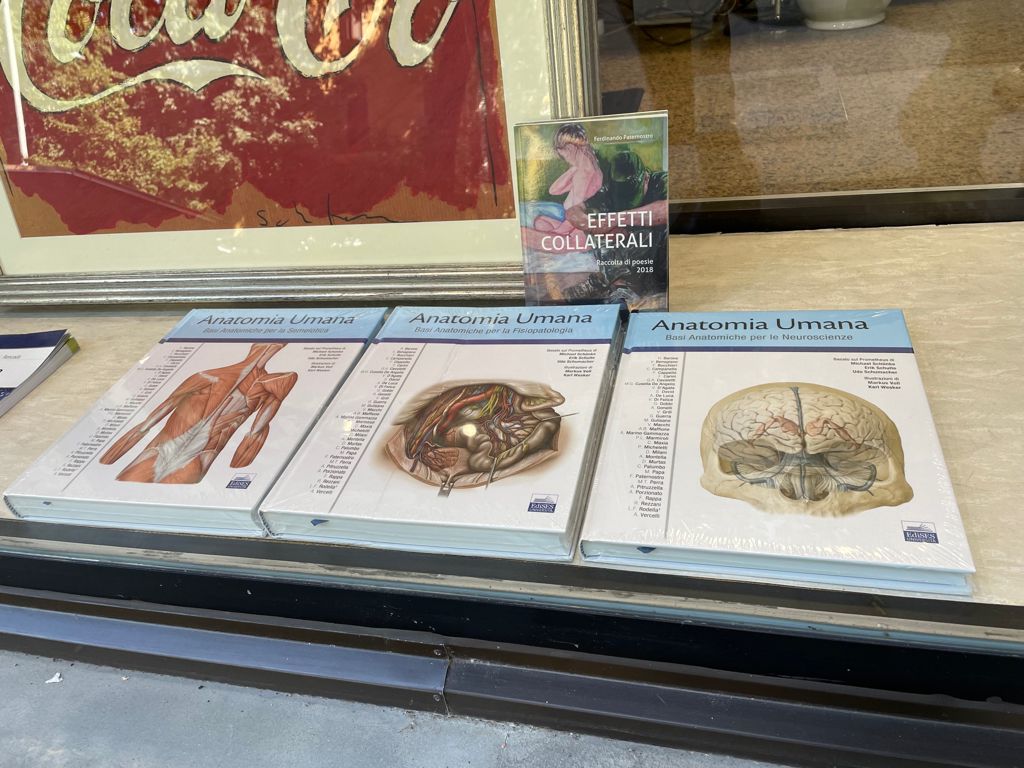
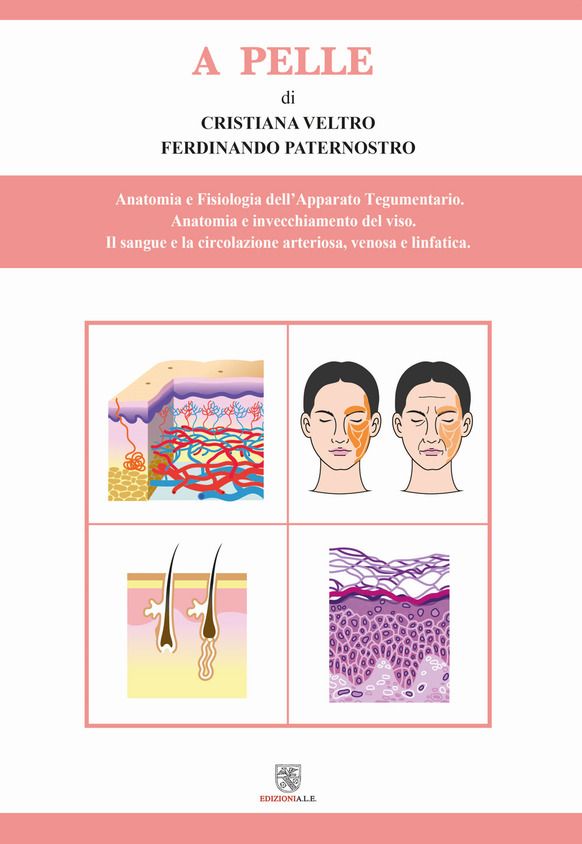
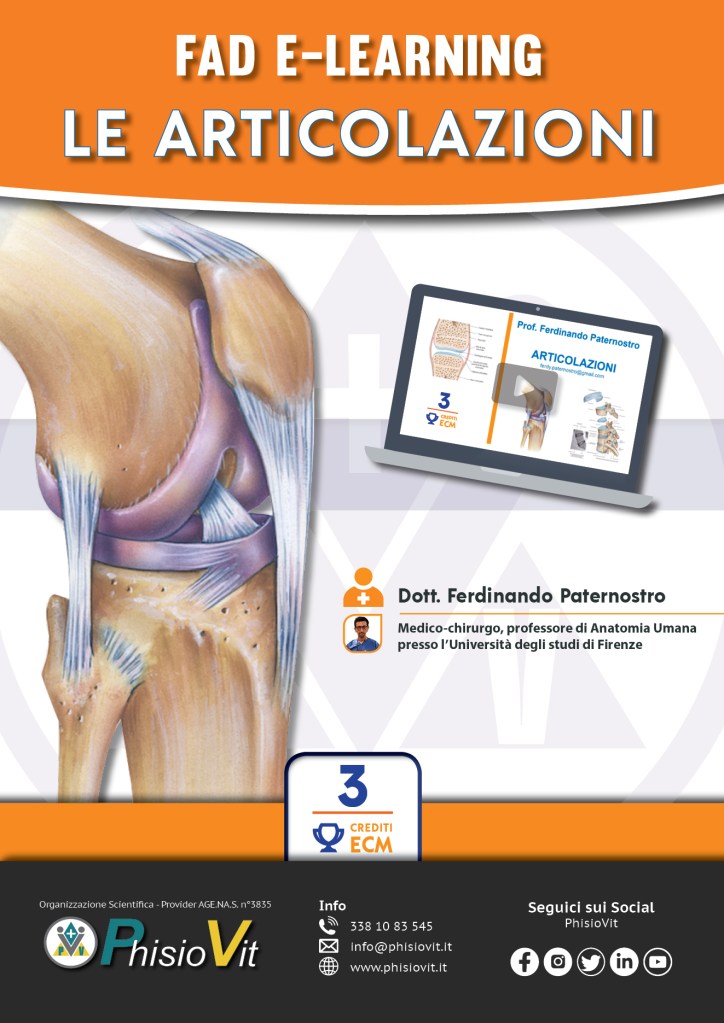
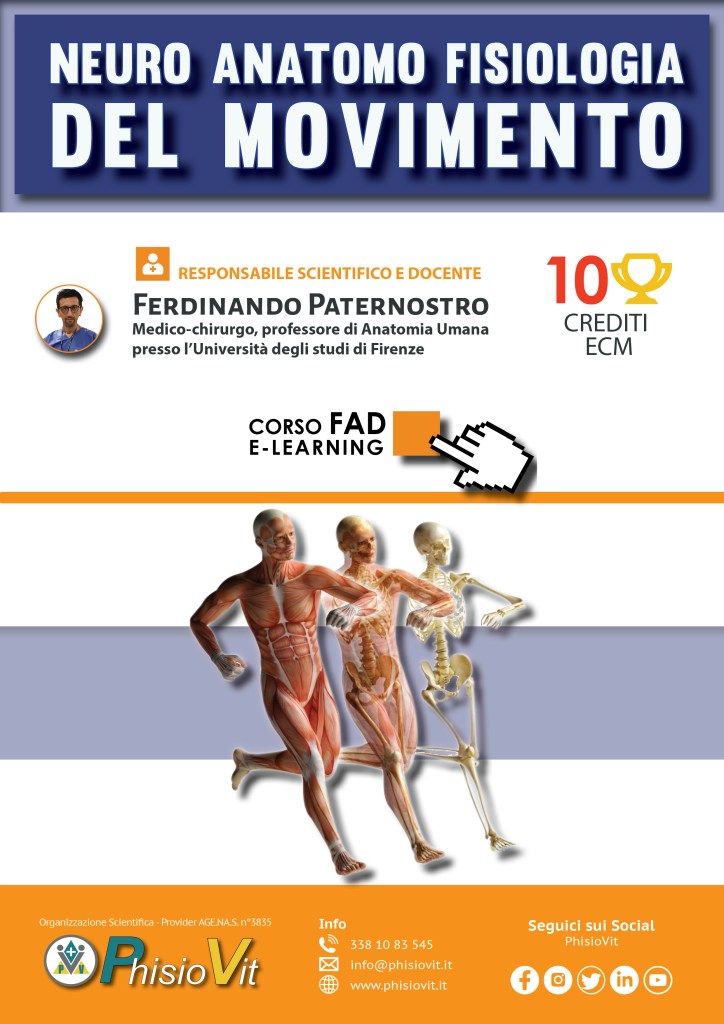
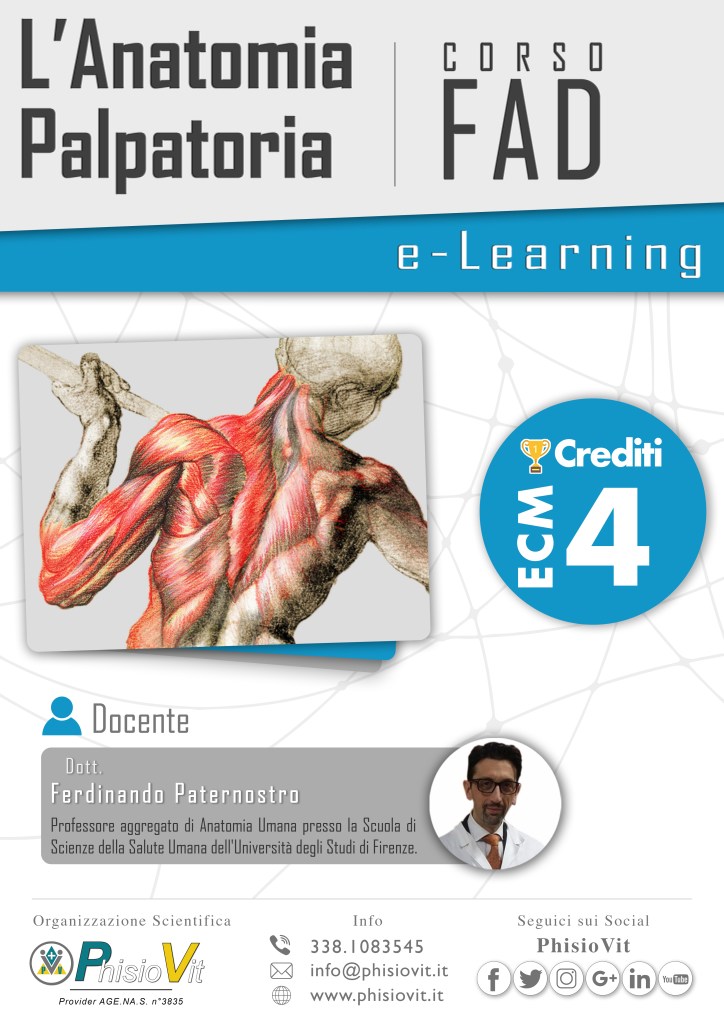
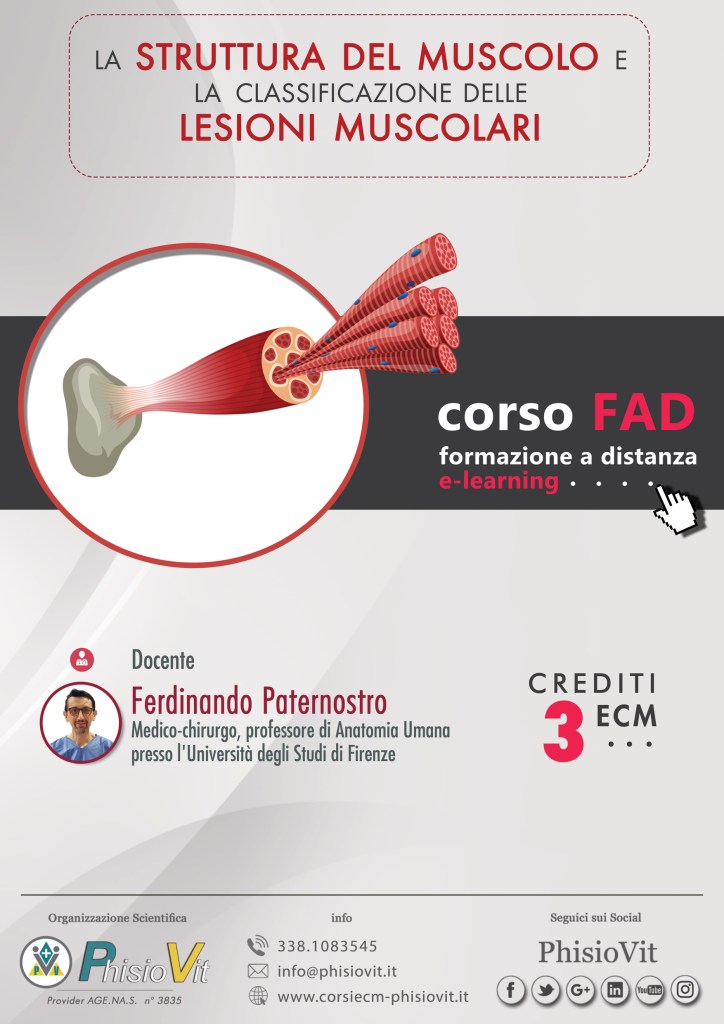
Un manuale dedicato allo studio dell’Anatomia e della Fisiologia dell’organo più esteso del nostro corpo, con un’approfondita sezione dedicata alle strutture e all’invecchiamento del viso.
Per chi vuole conoscere la Pelle e i suoi annessi e come cambia il nostro viso nel tempo.
In appendice una sinossi sul sangue, la circolazione arteriosa, venosa e linfatica.
Sono sinceramente felice e orgoglioso di presentarVi tutta l’offerta didattica fino ad oggi realizzata con Phisiovit e spero di averVi presto tra i miei Discenti virtuali.
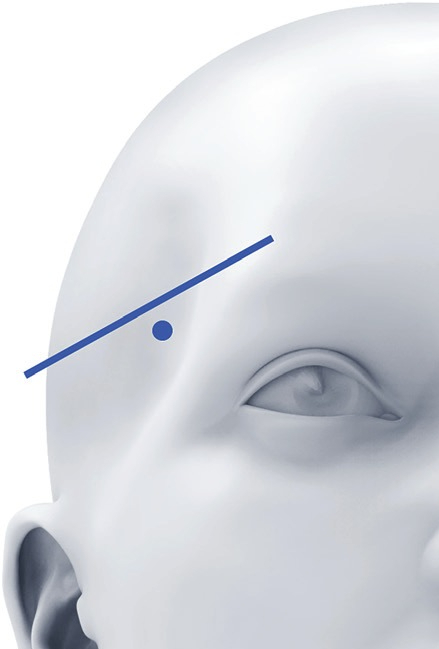
Hyaluronic acid fillers indisputably represent an important tool for face rejuvenation and volume restoration. The temporal area has recently been considered as a potential site of injection. As it happens in the middle face and in other regions of the face, the temporal fossa changes according to the aging process. In a young person, the temple profile has a fullness aspect, and this contributes to giving the face a beautiful and healthy appearance. With age, the loss of volume leads the bone prominences to be visible. The aim of this article is to classify the temporal fossa atrophy and get better into the anatomy, identifying the ideal plane to inject in, through the use of a safe and reliable technique. Cadaver dissections have been performed to specifically describe the anatomy of the temple layer by layer. The authors’ preferred technique, called interfascial by cannula implantation, is discussed. All the treated patients reported a good improvement by survey according to the Global Aesthetic Improvement Scale scale. No major complications were detected. No ecchymosis neither swelling were documented. Although further studies are necessary to broaden the casuistry and better verify the potentiality of this technique, the authors do believe that it could be considered a very reliable procedure with pretty consistent results, if supported by an adequate and imperative anatomical knowledge.
ACKNOWLEDGMENT We sincerely thank ICLO Cadaver Lab for the support provided for the dissections of the cadavers.
Con grande soddisfazione e con la speranza sorprendere, arricchire ed emozionare attraverso lo studio dell’Anatomia Settoria, vi presento MED LAB … un giorno in sala settoria.
Studieremo, HANDS-ON, i muscoli del dorso, il torace, l’addome e la pelvi. Qui il programma completo (analogo per tutte le edizioni in calendario).
L’attività è rivolta, in primis, a Studenti di Medicina e Chirurgia e Infermieristica.
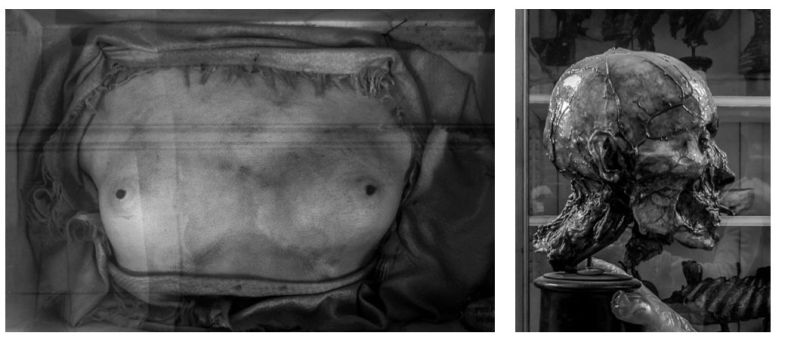
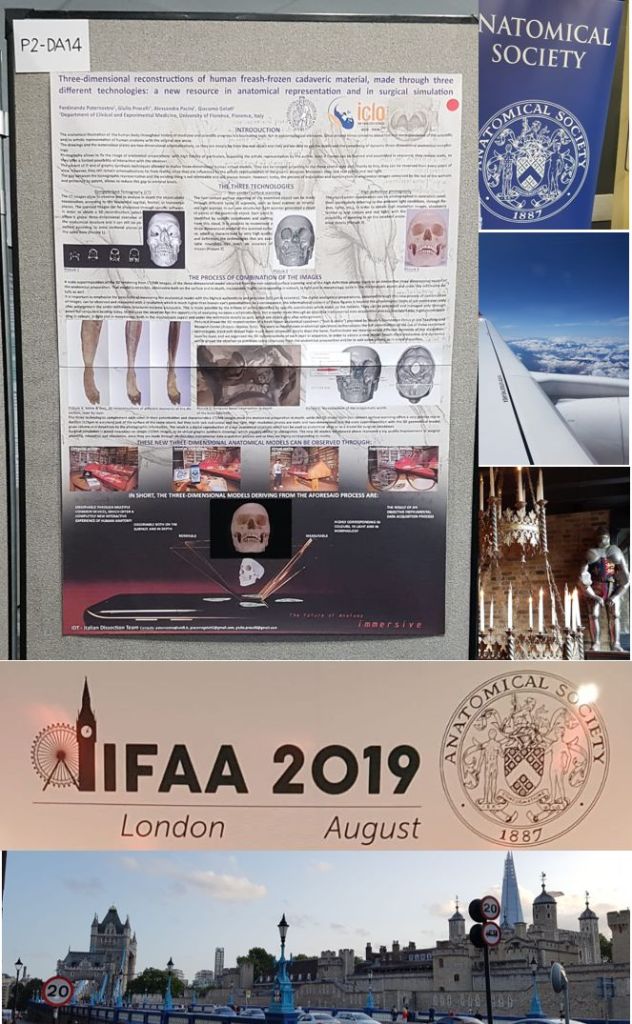
Il progetto, che nasce da una idea originale del Dott. Giacomo Gelati, consiste in un nuovo metodo di acquisizione e combinazione di immagini anatomiche, provenienti da tre diverse tecnologie, che consente di ricostruire digitalmente in 3D, in modo fedele e oggettivo, un preparato anatomico realmente esistente, rispettandone la morfologia, la luce, il colore e i rapporti dimensionali. I modelli digitali tridimensionali così ottenuti possono essere ruotati ed orientati a proprio piacimento, misurati con precisione fino al µm, osservati al in superficie e in spessore, secondo piani di taglio frontali, sagittali o trasversali.
Oltre ad altre pubblicazioni, alla selezione come progetto IUF (Incubatore Universitario Fiorentino) e a comunicazioni a congressi internazionali, da tale progetto è nato anche un articolo sull’Italian Journal of Anatomy and Embyology, che sottopongo alla vostra attenzione e curiosità.
Gelati, G., Paternostro, F., Conti, A. A., & Orlandini, G. (2019). The anatomical representation of the human body: From epistemological examples deriving from medical history to morphometric imaging performed with the laser scanner technique. Italian Journal of Anatomy and Embryology, 124(1), 72-78.
Lo scopo di questo articolo è sottolineare l’importanza del monitoraggio a lungo termine dell’attività fisica nella prevenzione delle ulcere del piede diabetico.
Francia, P., Iannone, G., Paternostro, F., Santosuosso, U., & Gulisano, M. (2019). Management of daily physical activity and diabetic foot prevention. Italian Journal of Anatomy and Embryology, 124(1), 87-103.
Even if physical activity plays a key role within diabetic foot treatment its use and the results obtained from this treatment seem to be still limited. Nowadays, new and even more advanced technologies for the long term daily physical activity monitoring are available and they are radically changing some aspects of physical activity such as its amount, features and monitoring.
In spite of the past, the several electronic devices that are currently available can be integrated into routine care and provide essential information for management to both the healthcare providers and patients. In particular, since the end of the last century, an increasing number of studies have applied the movement monitoring to patients at risk or with history of ulceration. The questionnaires have been progressively replaced with modern technologies such as accelerometers or complex multisensory devices able to objectively measure the physical activity performed.
The data collected through the use of such devices can allow a better assessment of patient’s condition and provide useful information for the definition of a more complete treatment protocol. Daily physical activity monitoring devices provide to the Diabetes Units information on the typology, quantity, distribution and intensity of the daily physical activity performed by each patient concurring to the prevention of foot ulcers that represent the most dreadful diabetes complications.
The different functions and modes of operation of monitoring devices can be integrated to provide a more comprehensive and intelligent monitoring system that provide valuable information on patients’ ongoing health status and the physical activity performed during daily life. These devices can manage in real time or even in remote the physical activity performed in addition to calculate that to be performed in the following hours. As a result, they contribute to improve patients’ lifestyle and reduce the costs for the treatment of such complications.
The aim of this review is to define and emphasize the role of a long term daily physical activity monitoring in the prevention of diabetic foot ulcers.
“Three cornerstones” for the prevention of diabetic foot ulcer
Perchè un Anatomista settore è tendenzialmente sincero ?
Al di là della boutade … come si può studiare l’Anatomia macroscopica, topografica, clinica e chirurgica meglio che al tavolo settorio ? ANA’ -TOMIA… studio per mezzo del taglio …
Prendi un grande Artista figurativo (Rocco Regina) che, dall’incontro con immortale e profondoPoeta (Francesco Maria Tarantino) cambia il suo stile e lo trasforma in un astratto dell’anima.
Prendi la straordinaria intuizione del Nostro che, dipingendo quadrati perfettamente ed emozionalmente quadrisimmetrici, chiede ai suoi estimatori di “cercare, raccontare e raccontarsi qualcosa” in ciascuna delle quattro possibili viste spazio-animo-temporali.
Prendi poi quattro amici (Rosanna Filomena, Gerardo Melchionda, Antonella Multari e chi vi scrive) a cui stimolare una lettura poetica di venti di queste meraviglie pittoriche, assegnando a ciascuno un lato da cui partire e lasciando libera penna e fantasia.
Prendi infine una illuminata casa editrice (Apollo Edizioni) che crede nel progetto e uno straordinario catalizzatore (Francesco Aronne) di intuizioni, meraviglie e sentimenti condivisi che sprona e incoraggia.
Although modern anatomy is commonly retained to begin in the XVI century, the roots of anatomical study in the Western world may be identified beforehand. An anatomical practice was present in the Western world well before the Middle Ages, starting in ancient Greece. Hippocrates of Cos (V-IV centuries B.C.) provided descriptions of the heart and vessels, and the so-called “Hippocratic Corpus” largely deals with anatomy. Aristotle of Stagira (IV century B.C.) was one of the first well-known scholars of the past to perform dissections of animals.
The anatomical interest of Aristotle contained a “physiological” background too, since he was convinced that all parts of human organisms had one or more specific functions. Galen of Pergamum (II century A.D.) was the performer of hundreds of dissections of animals, and he described a great number of anatomical parts of apes, dogs, goats and pigs. The anatomical system of Galen became a gold standard for medicine for more than a thousand years, and in the Middle Ages (V-XV centuries A.D.) the human anatomy that was taught and acquired in European universities remained based on Galenic anatomy.
In conclusion, Greek-speaking scholars between the IV century B.C. and the II century A.D. set the basis for the systematic dissection of animals and the comparative investigation of animal anatomical findings. These scholars also began to study the structures of the human body, interestingly taking into account the relationship between the macroscopical morphology of observed structures and their more evident functions.
Ferdinando Paternostro, Ugo Santosuosso, Daniele Della Posta, Piergiorgio Francia
The study of the relationships between the different structures of the human locomotor system still raises great interest. In fact, the human body networks and in particular the “myofascial sys-tem network” underlie posture and movement and new knowledge could be useful and applied to many fields such as medicine and prosthetics. The hypothesis of this study was to verify the possibility of creating a structural network representing the human locomotor system as well as to study and describe the relationship between the different structures considered.
The graph theory was applied to a network of 2339 body parts (nodes) and 7310 links, representing the locomotor system. The open source platform software Cytoscape was used for data entry (nodes and links) as well as for debugging. In addition, the “NetworkAnalyzer” plugin was used for the descriptive statistics of the network obtained. In order to achieve a better rendering, the results of the network parameters gained were then imported into Gephi graph platform. At the end of this procedure, we obtained an image of a human being in an orthostatic position with a precise distribution of the nodes and links. More specifically, “the shortest pathways analysis of the network” demonstrated that any two randomly selected nodes on the network were connect-ed by pathways of 4 or at most 6-8 nodes. Moreover, the Edge Radiality Distribution analysis was carried out in order to define how a single node is functionally relevant for other nodes: the probability distribution ranged from 0.4 to 0.77. This indicates that the majority of nodes tend to be functionally relevant for the others, but none of these is predominant. As a whole, the Cluster Coefficient (0.260) demonstrates that the network is neither random nor “strongly organized”.